
Iconic Authentic Filipino Dishes to Savor: A Journey Through Filipino Culinary Traditions
- Jose E Rodriguez
- Jun 23
- 4 min read
When I think about Filipino food, I’m instantly reminded of the warmth and vibrant flavors that bring people together. Filipino cuisine is a beautiful tapestry woven from centuries of history, culture, and family traditions. It’s more than just food - it’s a celebration of life, community, and heritage. If you’re craving a taste of the Philippines or want to explore something new and exciting, you’re in the right place. Let’s dive into some iconic dishes that truly represent Filipino culinary traditions.
Exploring Filipino Culinary Traditions: A Flavorful Heritage
Filipino culinary traditions are deeply rooted in the country’s diverse history. Influences from Malay, Spanish, Chinese, and American cultures have blended to create a unique and rich food culture. What makes Filipino food stand out is its balance of sweet, sour, salty, and savory flavors, often all in one dish. This harmony of tastes reflects the Filipino spirit - adaptable, warm, and welcoming.
One of the most beautiful things about Filipino food is how it brings families and friends together. Meals are often shared, with everyone digging into the same dishes, creating a sense of community and belonging. Whether it’s a simple lunch or a festive celebration, food is always at the heart of Filipino gatherings.
If you’re new to Filipino cuisine, I encourage you to start with some classic dishes that showcase this culinary heritage. And if you’re already familiar, it’s always a joy to revisit these flavors and discover new favorites.

What are the top five Filipino foods?
When it comes to iconic Filipino dishes, there are a few that consistently capture the hearts and taste buds of many. Here are the top five Filipino foods that you absolutely must try:
Adobo
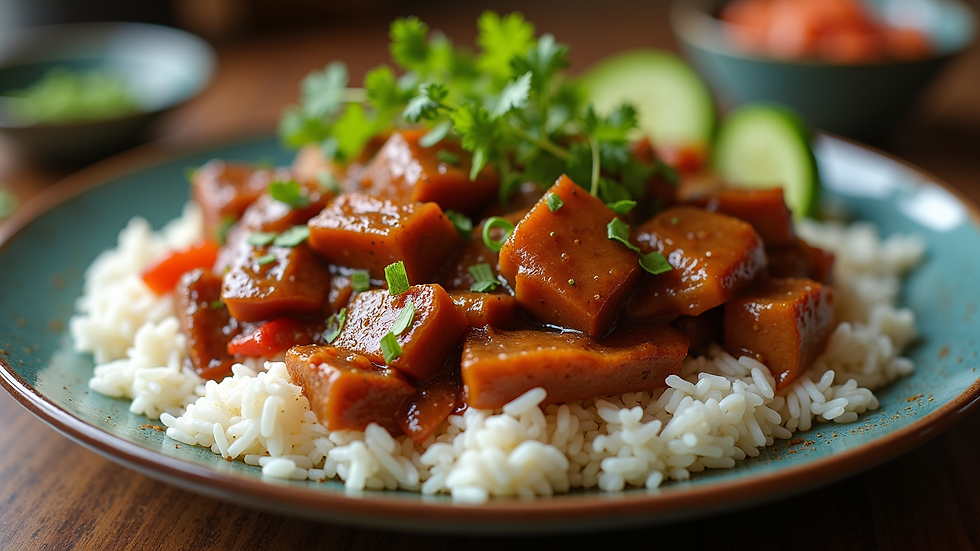
Often called the unofficial national dish, Adobo is a savory stew made with chicken or pork marinated in vinegar, soy sauce, garlic, and spices. It’s tender, flavorful, and perfect with steamed rice. The beauty of Adobo lies in its simplicity and the way it can be customized to suit different tastes.
Sinigang
This is a sour soup that’s both comforting and refreshing. Made with tamarind broth, it usually includes pork, shrimp, or fish, along with vegetables like kangkong (water spinach), radish, and eggplant. Sinigang is a perfect dish for those who love a tangy kick.
Lechon
Lechon is a whole roasted pig, famous for its crispy skin and juicy meat. It’s a festive dish often served during celebrations and special occasions. The preparation is an art form, and the result is a mouthwatering centerpiece that everyone looks forward to.
Pancit
Pancit refers to various noodle dishes in the Philippines. Pancit Canton and Pancit Malabon are popular versions, each with its own unique ingredients and flavors. These dishes are staples at Filipino parties and symbolize long life and good health.
Kare-Kare
A rich and creamy peanut sauce stew, Kare-Kare is usually made with oxtail, tripe, and vegetables. It’s served with bagoong (fermented shrimp paste) on the side, which adds a salty contrast to the dish’s mild flavor. This dish is a must-try for anyone wanting to experience the depth of Filipino flavors.
These dishes are just the beginning. Filipino cuisine offers a vast array of flavors and textures that cater to all kinds of palates. Whether you prefer something hearty, light, spicy, or sweet, there’s a Filipino dish waiting to delight you.
The Heart of Filipino Meals: Sharing and Togetherness
One of the most beautiful aspects of Filipino food culture is the emphasis on sharing. Meals are often served family-style, with everyone gathered around the table, passing dishes, and enjoying each other’s company. This tradition strengthens bonds and creates lasting memories.
In Filipino homes, food is a way to express love and care. Preparing a meal is an act of kindness, and sharing it is a way to show gratitude and respect. This spirit of generosity is something I find truly inspiring and inviting.
If you’re hosting a Filipino-inspired meal, consider serving dishes that encourage sharing. Large platters of Adobo, Sinigang, or Pancit invite everyone to dig in and enjoy together. Don’t forget to include some classic Filipino desserts like leche flan or halo-halo to complete the experience.
Where to Experience Authentic Filipino Dishes in Lawton, OK
If you’re in Lawton, Oklahoma, and craving a genuine taste of the Philippines, there’s a special place that brings these flavors to life. Manila Express Filipino and International Cuisine is dedicated to offering a welcoming dining experience that celebrates Filipino culture through food.
At Manila Express, you’ll find a menu filled with beloved classics and some international favorites, all prepared with care and authenticity. The atmosphere is warm and inviting, making it a perfect spot for families and friends to gather and enjoy a meal that feels like home.
Trying authentic Filipino dishes at a local restaurant is a wonderful way to explore the cuisine without the hassle of cooking. Plus, it supports a community that values sharing its heritage and traditions. I highly recommend stopping by to savor the rich flavors and experience the genuine hospitality.
Bringing Filipino Flavors to Your Kitchen
If you’re inspired to try cooking Filipino dishes at home, it’s easier than you might think. Many recipes use simple ingredients that you can find at local markets or Asian grocery stores. Here are some tips to get you started:
Start with easy dishes like Adobo or Pancit. These recipes are straightforward and forgiving for beginners.
Use fresh ingredients whenever possible. Fresh garlic, vinegar, and local vegetables make a big difference in flavor.
Don’t be afraid to experiment. Filipino cuisine is flexible, and many dishes have regional variations. Feel free to adjust seasonings to your taste.
Cook with family or friends. Filipino cooking is often a communal activity, and sharing the process can be just as enjoyable as eating the meal.
There are plenty of online resources and cookbooks dedicated to Filipino cuisine. Exploring these can deepen your appreciation and help you master the flavors that make Filipino food so special.
I hope this journey through iconic Filipino dishes has sparked your curiosity and appetite. Filipino food is a beautiful way to connect with culture, history, and community. Whether you’re enjoying a meal at a local restaurant or cooking at home, savoring these flavors is a celebration of togetherness and tradition.
For those interested in exploring more, I invite you to discover authentic filipino dishes that bring the heart of the Philippines right to your table. Enjoy every bite and the stories that come with it!


Comments