
Unveiling the Secrets of Traditional Filipino Recipes
- Jose E Rodriguez
- Jun 13
- 4 min read
Filipino food is a vibrant tapestry of flavors, colors, and stories that reflect the rich history and diverse culture of the Philippines. Every dish tells a tale of family gatherings, festive celebrations, and everyday moments filled with warmth and love. If you’ve ever wondered what makes Filipino cuisine so special, you’re in for a treat. I’m excited to share with you some of the secrets behind traditional Filipino recipes that have been passed down through generations.
Exploring Traditional Filipino Recipes
When we talk about traditional Filipino recipes, we’re diving into a world where every ingredient has a purpose and every cooking method carries meaning. These recipes are not just about feeding the body but also about nourishing the soul. From the tangy and savory adobo to the sweet and creamy leche flan, Filipino dishes offer a balance of flavors that is both comforting and exciting.
One of the things I love most about these recipes is their versatility. For example, adobo can be made with chicken, pork, or even seafood, and each version brings its own unique twist. The secret lies in the marinade - a simple mix of vinegar, soy sauce, garlic, and bay leaves that tenderizes the meat and infuses it with deep flavor.
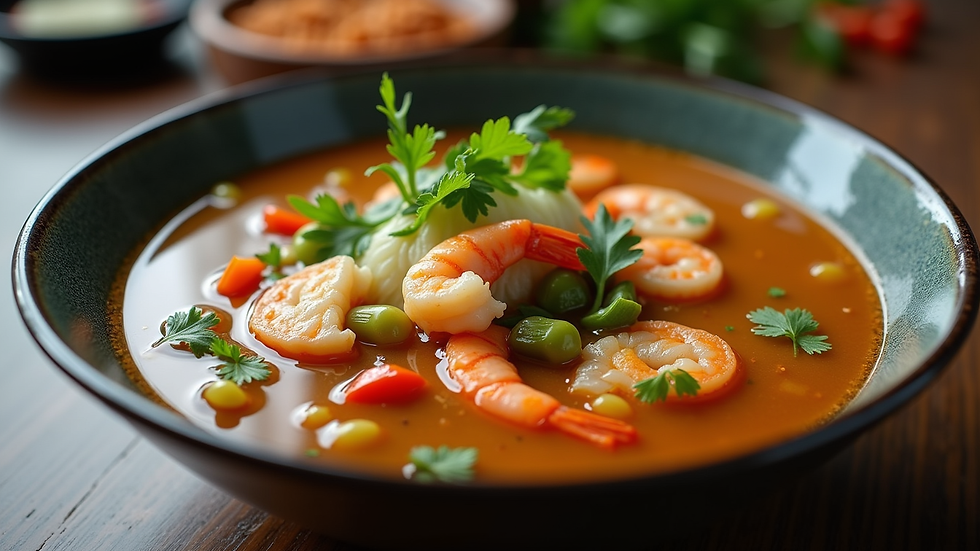
Another beloved dish is sinigang, a sour soup that uses tamarind or other sour fruits to create a refreshing broth. It’s perfect for rainy days or when you need a little pick-me-up. The beauty of sinigang is that you can customize it with different proteins like shrimp, pork, or fish, and add a variety of vegetables such as kangkong (water spinach), radish, and eggplant.
What is authentic Filipino food?
Authentic Filipino food is more than just a list of ingredients or a set of cooking instructions. It’s about preserving the essence of Filipino culture and history through food. Authenticity means using traditional ingredients, cooking techniques, and flavors that have been cherished by Filipino families for centuries.
For instance, lechon, the famous roasted pig, is a centerpiece at many Filipino celebrations. The authentic version involves slow-roasting a whole pig over charcoal, resulting in crispy skin and tender meat. It’s a labor of love that requires patience and skill, but the result is truly unforgettable.
Another example is pancit, a noodle dish that varies by region but always holds a special place in Filipino hearts. Whether it’s pancit canton or pancit bihon, the noodles are stir-fried with a mix of vegetables, meat, and sometimes seafood, creating a dish that’s both hearty and flavorful.
To truly experience authentic Filipino cuisine, it’s important to appreciate the balance of flavors - salty, sour, sweet, and umami - that come together harmoniously. This balance is what makes Filipino food so unique and beloved.
The Role of Ingredients in Filipino Cooking
One of the secrets to the rich flavors in Filipino dishes is the use of fresh, local ingredients. Staples like garlic, onions, vinegar, soy sauce, and fish sauce form the backbone of many recipes. These ingredients are combined in ways that highlight their natural flavors without overpowering the dish.
Rice is another essential component, often served alongside every meal. It’s more than just a side dish; it’s a symbol of sustenance and community. In many Filipino households, sharing a meal with rice is a way to bring everyone together.
Vegetables also play a crucial role. From bitter melon in pinakbet to the leafy greens in sinigang, vegetables add texture, color, and nutrition. They are often cooked simply to preserve their freshness and natural taste.

Tips for Cooking Traditional Filipino Recipes at Home
If you’re eager to try your hand at Filipino cooking, here are some practical tips to help you get started:
Start with simple dishes - Try making adobo or sinigang first. These dishes are forgiving and allow you to experiment with flavors.
Use fresh ingredients - Fresh garlic, onions, and local vegetables make a big difference in taste.
Balance your flavors - Filipino food is all about harmony. Taste as you go and adjust the saltiness, sourness, and sweetness to your liking.
Don’t rush the cooking process - Many traditional recipes require slow cooking to develop deep flavors.
Learn from family or community members - Filipino cooking is often a shared experience. Don’t hesitate to ask for tips or recipes from those who know it best.
By following these tips, you’ll not only create delicious meals but also connect with the heart of Filipino culture.
Bringing Filipino Flavors to Your Table
Sharing Filipino food is a wonderful way to celebrate culture and create lasting memories. Whether you’re cooking for a family dinner or a special occasion, traditional Filipino recipes offer something for everyone. The warmth of these dishes invites conversation, laughter, and a sense of belonging.
If you want to explore more about authentic filipino cuisine, I encourage you to visit local Filipino restaurants or community events. Tasting dishes prepared by experienced cooks can inspire your own culinary adventures and deepen your appreciation for this rich food heritage.
Remember, cooking Filipino food is not just about following recipes - it’s about embracing a way of life that values family, tradition, and joy. So, gather your loved ones, roll up your sleeves, and enjoy the delicious journey of traditional Filipino recipes.
I hope this glimpse into Filipino cuisine has sparked your curiosity and appetite. There’s so much more to discover, and every dish is an invitation to experience the heart and soul of the Philippines. Happy cooking and happy eating!


Comments